Recycling and Sustainability at Self Storage Barnes
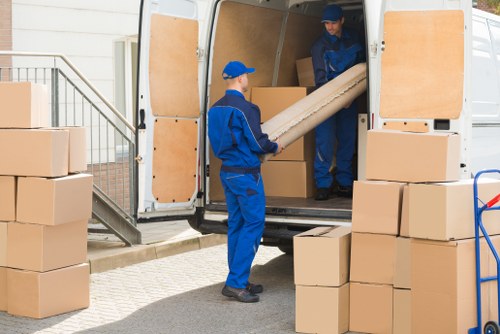 At Self Storage Barnes, sustainability is built into the way we operate every day. Our approach to recycling and sustainability is designed to support customers who want to store responsibly while reducing waste, lowering emissions, and making better use of local resources. As part of our wider environmental commitment, we have set a recycling percentage target of 85% for operational waste streams, with regular reviews to help us improve year on year. This means more of what we handle is sorted for reuse, recovery, or recycling rather than being sent for disposal. For a business in West London, that ambition matters: it reflects the expectations of nearby boroughs, where waste separation, food waste collection, mixed dry recycling, and clear sorting of paper, plastics, metals, and glass are all part of everyday sustainability habits.
Our Self Storage Barnes recycling programme focuses on practical action. We separate cardboard, shrink wrap, wood, metal shelving, office paper, and electrical items wherever possible, and we work with licensed waste partners who prioritise recovery over landfill. Storage customers also benefit from a site culture that encourages reusing sturdy boxes, passing on packing materials, and avoiding unnecessary disposal. In a borough setting where residents are increasingly accustomed to separating recyclables by material type, we mirror that mindset on site by keeping clear collection points and ensuring recyclable items are not mixed with general waste. This helps us support cleaner waste streams and better outcomes for local facilities.
Another important part of our sustainability work is our relationship with local transfer stations. These facilities play a key role in moving waste from collection to processing, helping ensure that recyclable materials are sorted efficiently and that reusable items are identified quickly. By using local transfer stations where possible, Self Storage Barnes reduces transport distances and supports a more efficient circular approach. In practical terms, this means fewer miles travelled, less congestion, and a better chance that recyclable materials remain in the right stream. We also track the destination of waste loads so that we can measure performance against our recycling target and improve our environmental outcomes over time.
 Partnerships with charities are another core part of the Self Storage Barnes sustainability story. Rather than sending every usable item for recycling or disposal, we look for opportunities to support local and regional charitable organisations through donations of furniture, office equipment, books, and household items in good condition. This partnership approach extends the life of products and helps charities equip people, services, and community projects with items that can still be used. It is a simple but effective way of promoting recycling at Self Storage Barnes while also giving back to the community. Where items cannot be reused, we separate them so that as much material as possible can enter appropriate recycling routes.
We are also committed to low-emission operations through the use of low-carbon vans. When moving items between sites, collecting supplies, or supporting customer needs, our transport choices matter. That is why we are increasingly using vans that produce fewer emissions and are more fuel-efficient, helping us cut the carbon impact of everyday journeys. In an area like Barnes and the wider southwest London corridor, where short trips can quickly add up, reducing vehicle emissions is a meaningful step. Our driver planning also aims to minimise unnecessary mileage through smarter route scheduling and consolidated trips, which supports both efficiency and sustainability.
These transport improvements work hand in hand with our waste strategy. The same careful planning that supports low-carbon vans also supports better recycling outcomes, because loads are grouped more efficiently and materials are taken to the right facilities with fewer duplicated journeys. At Self Storage Barnes, our aim is not simply to manage waste, but to improve the full lifecycle of stored and moved items. That includes reusing packaging where possible, sorting reusable goods for charitable donation, and making sure recyclable materials are handled in a way that reflects the standards of the local area. Barnes storage recycling is therefore part of a wider environmental system, not a standalone effort.
 We also recognise the importance of clear separation practices that are familiar across local borough waste systems. Many councils in west and southwest London encourage residents to keep paper and card dry, rinse food containers before recycling, and place garden waste, mixed recycling, and residual waste into separate streams. That local culture influences how we operate as well. For example, we make sure office paper, corrugated cardboard, and clean plastics are kept apart from contaminated materials, and we direct electrical items and bulky fittings to the correct specialist routes. This attention to detail helps strengthen the quality of recyclable material and supports more effective processing at downstream facilities.
Our recycling percentage target is not just a number on paper; it is a benchmark that shapes daily decisions. We review the proportion of waste diverted from landfill, the share sent for reuse, and the amount recovered through recycling partners. By measuring these factors, we can identify where better sorting, improved packaging reuse, or stronger charity partnerships might reduce waste even further. Customers choosing Self Storage Barnes are increasingly looking for businesses that reflect their own values, and we are proud to offer a storage service that supports a lower-impact way of working. From reusable pallets to recovered timber and metal, every improvement helps.
Looking ahead, we will continue to build on the foundations already in place. That means refining our relationships with local transfer stations, expanding the use of low-carbon vans, and deepening partnerships with charities that can redistribute useful items. It also means maintaining a strong focus on separation, recovery, and reuse so that our sustainability results remain credible and measurable. In a borough environment where waste awareness is growing and community expectations are high, Self Storage Barnes recycling and sustainability is about more than compliance: it is about leading with practical responsibility and making everyday operations cleaner, smarter, and more efficient.
 The result is a storage service that supports customers who want to act responsibly without adding complexity to their move or their storage plan. Whether the focus is on recycling packaging, donating usable goods, or reducing transport emissions, each part of the process is aligned with the same goal: to keep valuable materials in use for longer and reduce unnecessary waste. Our environmental approach is grounded in action, not slogans, and it is shaped by the local reality of borough recycling systems, transfer infrastructure, and community reuse opportunities.
 At Self Storage Barnes, sustainability is an ongoing commitment. By aiming for an 85% recycling rate, working with local transfer stations, partnering with charities, and using low-carbon vans, we are helping create a more responsible storage experience for the Barnes area. As local waste separation practices continue to evolve, we will keep adapting too, ensuring our Self Storage Barnes sustainability programme stays practical, effective, and aligned with the expectations of the community we serve.